Switches in Sports: The Future of Baseball Umpiring
This is part of a series of stories investigating the use and potential use of switches in sports.
The strike zone in baseball has been a problem for over a century. Every day, every player is playing the game by different rules than they did the prior day or any day before that. As an umpire for youth baseball, I can confirm that every call, including balls and strikes, is a judgment call, and everyone’s judgment is different. A strike today might not have been a strike yesterday and might not be tomorrow.
This makes hitting a baseball even harder than it already is, which has never been harder since pitchers are throwing at higher velocities, with more movement, and for fewer innings. Major League Baseball broke the record for total strikeouts in a season for 12 consecutive seasons dating back to 2008.
The lack of action resulting from strikeouts has had a massive impact on attendance, which hit a 37-year low in 2021. Viewership was also down 12 percent compared to 2019. MLB is trying all kinds of things, like moving second base 13.5 inches closer to home plate at all levels of Minor League Baseball. This is meant to increase base stealing in the sport.
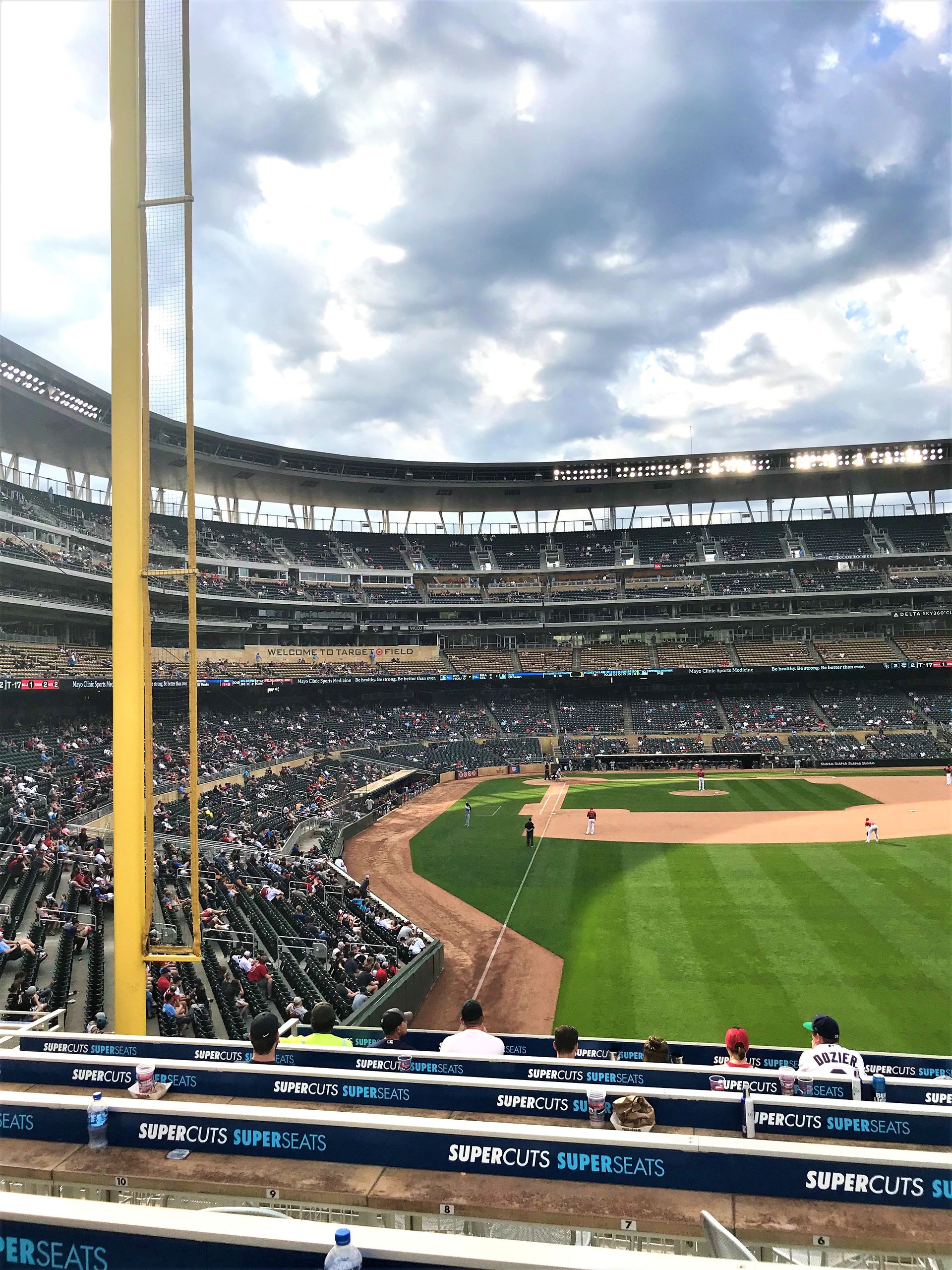
MLB has already been testing an automated strike zone in some minor league games, but the Automated Ball-Strike technology (ABS) can’t tell whether a pitch was bounced to the plate or not. It simply registers anything that touches the automated strike zone as a strike.
The solution to baseball’s problem isn’t automation. You’re always going to need a home plate umpire. A robot calling a player out at home will never happen and wouldn’t be as entertaining if it did. So instead of using fewer umpires, use one more.
We at E-switch propose an umpire be placed in a straightaway, centerfield position to view a live feed of the “K-zone” used on television broadcasts, the size of which automatically adjusts to the size and stance of each batter. If there’s ever a problem with the “K-zone” feed, binoculars can be used to determine balls and strikes because the centerfield location provides a better view of the strike zone than the home plate umpire gets. I feel I do a better job calling balls and strikes from behind the pitchers’ mound because I don’t have to look over a tall catcher and miss strikes thrown low in the strike zone. This is incredibly dangerous at the Major and Minor League levels, however, and probably annoying to pitchers.
Instead, this extra umpire will use a wireless, push-button device that sends a signal to the home plate umpire’s wristband, which vibrates when a strike is thrown. That device requires just one button – one switch – that can withstand the test of time and inclement weather.
Our RP8300 Series Illuminated Panel-Mount Pushbutton Switch has an especially long life expectancy, with 500,000 expected operating life cycles. Given that roughly 146 pitches are thrown by each team in an MLB game, these switches would last more than 10 full seasons or roughly 1,712 games.
The RP8300 Series is also sealed to IP67 standards, which means the elements of outdoor baseball won’t be an issue for operating this switch – even here in Minnesota! We could even design it to resemble a baseball. Multiple color options are already available.
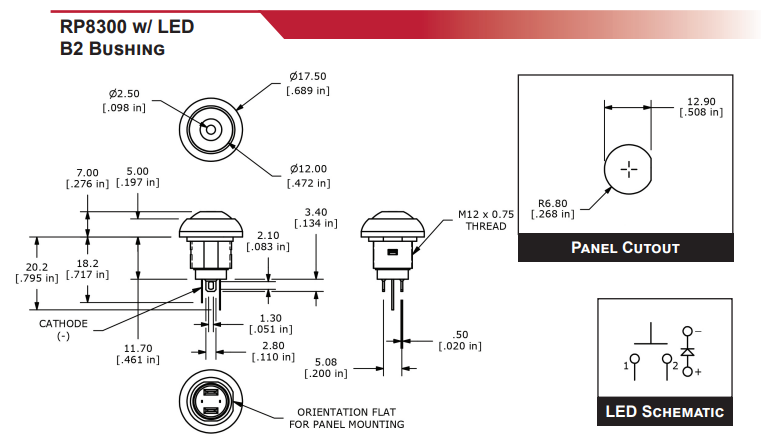
The RP8300 Series is also illuminated, so the umpire using the switch will know when it’s engaged even during night games. It’s also encased in a metal die-cast housing with a threaded panel mount. The RP8300 is rated for a current of 500mA at 48 volts of alternating current, 200mA at 50 volts of direct current, and 200mA at 250 volts of alternating current. It has a contact resistance of 50 milliohms and a Single Pole Single Throw (SPST) contact arrangement.
We want the same thing MLB wants: to enjoy great baseball. We hope this helps. Happy Opening Day!
The post Switches in Sports: The Future of Baseball Umpiring appeared first on E-Switch, Inc..